Menu
Flex space continues to be one of the most in-demand asset classes in today’s commercial real estate market. Its ability to serve a wide range of tenants—from small business owners to light industrial users makes it a highly versatile and attractive investment.
But not all flex space performs the same.
The difference between a project that leases quickly and one that struggles often comes down to early planning decisions. Small design choices can have a major impact on tenant appeal, operational efficiency, construction timelines, and long-term value.
At Forge Building Company, we believe the strongest flex projects are designed with real-world performance in mind from day one.
Flex space is not a one-size-fits-all product. The most successful developments strike a balance between immediate usability and long-term adaptability, serving today’s tenants while remaining flexible for tomorrow’s needs.
Early planning is where performance is either built in or unintentionally limited. Decisions made at this stage influence everything from lease-up speed to operating costs and long-term asset value.
Here are the key design considerations that can make or break a flex space project:
One of the most critical and often overlooked decisions in flex space design is bay sizing.
If bays are too large, you may unintentionally exclude smaller tenants. If they are too shallow or undersized, they may not function for users who need storage, workspace, or operational capacity.
The right bay depth and width:
Well-planned bay configurations allow your project to serve a broader mix of users, improving lease-up speed and overall performance.
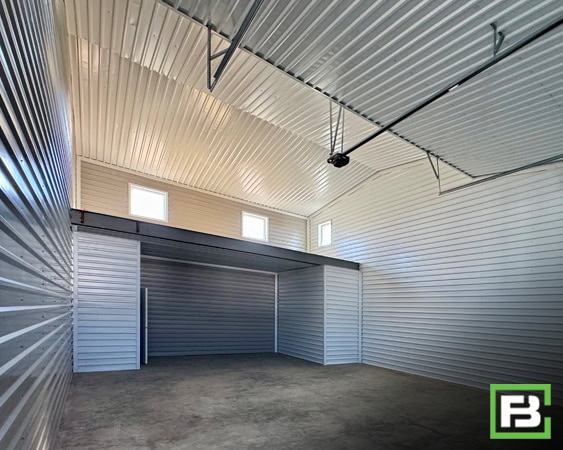 Clear height is one of the biggest factors influencing how usable a space is.
Tenants are often looking for:
A building with limited clear height can restrict tenant use and reduce competitiveness. On the other hand, adequate height enhances flexibility and makes the space more attractive across multiple industries.
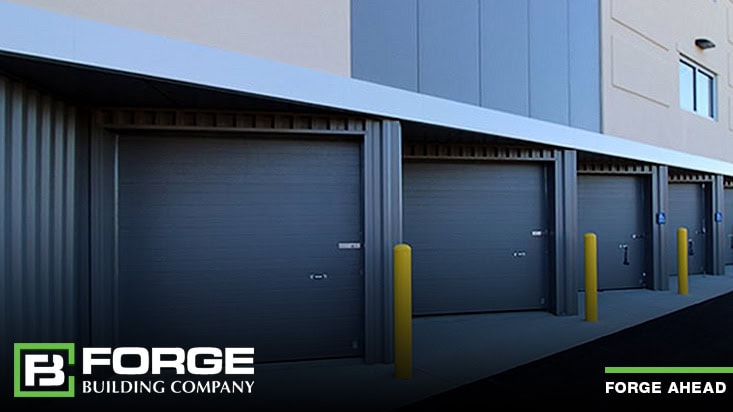
The number, size, and placement of overhead doors directly impact how tenants use the space.
Efficient access supports:
Poor door placement or limited access can create operational bottlenecks and reduce usability. Thoughtful design ensures each unit functions efficiently in real-world conditions, not just on paper.
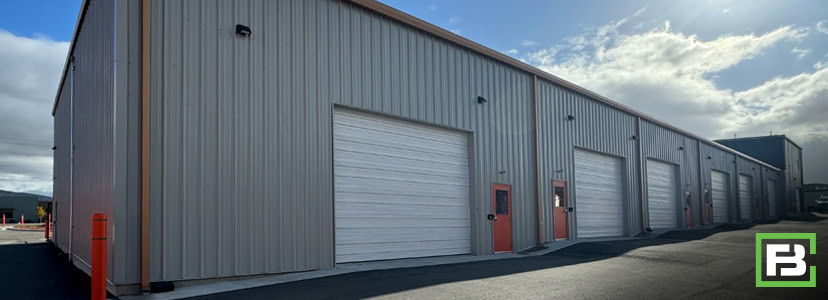
A well-designed building can still underperform if the site layout doesn’t support it.
Key considerations include:
A functional, intuitive site layout improves tenant satisfaction, reduces friction, and ultimately supports stronger long-term retention.
A common mistake in flex development is overbuilding office space.
While office components are important, many tenants prioritize:
Designing the right balance helps align your project with market demand while protecting your return on investment.
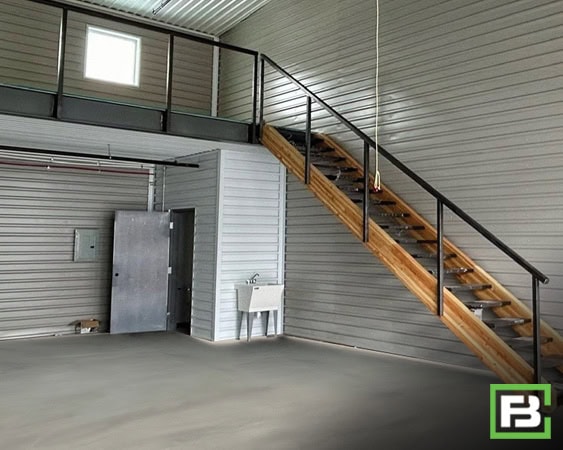 Utilities are often underestimated in early planning, but they play a major role in long-term performance.
Considerations include:
Underbuilt utilities can limit tenant use or require costly retrofits. Planning ahead protects both usability and long-term value.
The true strength of flex space lies in its adaptability to serve different users over time.
Markets change. Tenant needs evolve. The most successful and highest-performing projects are those that can evolve with them.
Designing for flexibility includes:
This adaptability helps maintain occupancy, reduce downtime between tenants, and extend the asset's life cycle.
Great design must also translate into efficient construction.
Material selection, structural systems, and detailing all influences:
Projects designed with buildability in mind are more likely to stay on schedule and on budget, reducing development risk and improving overall outcomes.
Beyond physical design, one of the most important strategic decisions is defining your target tenant mix.
Ask early:
Design decisions should align with who you want to attract. When the tenant profile and design strategy are aligned, lease-up becomes significantly more efficient.
Another key consideration is whether the project is designed as speculative space or tailored for specific users.
A thoughtful approach can balance both, delivering flexible shell buildings with the ability to accommodate targeted tenant improvements.
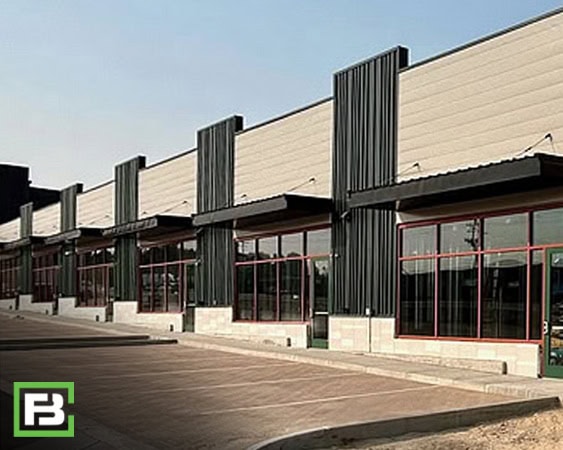
Not all flex space is purely functional; visibility can be a major leasing driver.
Consider:
For certain tenants, especially those blending retail or customer-facing operations, visibility can significantly impact desirability and rental rates.
Performance doesn’t end at lease-up—it continues through ownership and operations.
Design choices can impact:
Simpler layouts, durable materials, and standardized unit configurations can reduce long-term operational friction and improve NOI over time.
The most successful flex developments are not simply designed to meet permitting requirements or initial budgets; they are built to perform in the real world over time.
This is where Forge can naturally enter the conversation.
Steel building systems offer:
When planning is done correctly, steel supports both development efficiency and long-term tenant usability.
At Forge Building Company, we work with developers, owners, and investors to focus on the decisions that matter most:
The reality is simple: the earlier these decisions are made, the greater their impact and the harder it is to change later.
Connect with the team at Forge Building Company to design a facility that performs from day one and continues delivering value for years to come.
Have more questions? Check out our Flex Space page for answers to many common questions, and see our Flex Space feature projects.

Contributing Editor: Mike Altieri