Menu
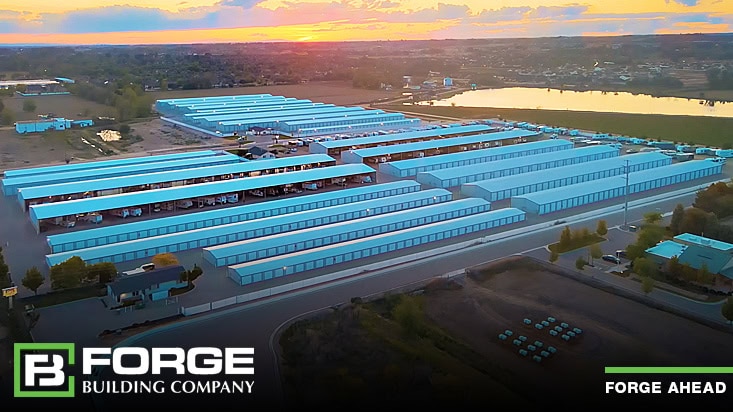
When evaluating and designing boat and RV storage facilities across multiple markets, we’ve seen one truth hold consistently. The right location and an optimized site layout are key to success for our clients. A well-chosen site, paired with an intuitive layout, not only maximizes occupancy but also streamlines operations and significantly improves the long-term return on investment.
At Forge Building Company, we work closely with our clients in the early phase of development of their facility. Two of the early steps in development are finding the right site and creating an optimal layout. Below, we break down the key factors for both.
In this article, we'll be discussing:
The most successful boat and RV storage facilities are those that align with existing travel patterns, catering to the tenants who rely on your facility for their destination trips.
Key location considerations include:
Ideally, a site should allow customers to enter and exit without having to navigate tight congested commercial corridors.
While roadway visibility can support marketing, ease of access and maneuverability are often far more influential than that of signage alone.
Before finalizing a parcel, it’s critical to confirm that boat and RV storage is a permitted or conditional use. Overlooking zoning and fire access constraints is one of the fastest ways to add months and unnecessary costs to your project’s timeline.
Evaluate:
A site that is properly zoned and relatively flat can reduce entitlement timelines and construction costs significantly.
Proper zoning and minimal topographic constraints can eliminate months from the entitlement process, compress the construction schedule, and protect early-stage capital from avoidable cost exposure.
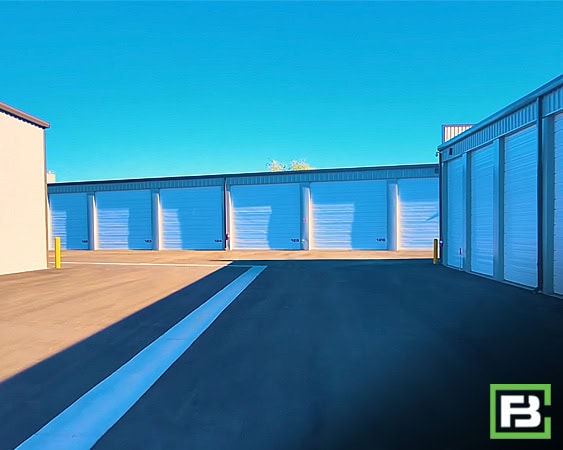
A well-designed site layout is the difference between a facility that operates smoothly and one that frustrates the end user.
Key design factors include:
Boat trailers and Class A RVs require generous space to maneuver safely. Properly sized drive aisles and turning radius allow customers to navigate the site confidently, reducing the need for backing movements and minimizing the risk of vehicle or property damage.
Defined entry and exit points minimize congestion and enhance tenant safety. If attainable, it is best to implement one-way traffic patterns. Reducing areas of conflict and increasing fluidity for your tenants is what sets you apart from the competition.
A variety of unit sizes:
Strategic unit sizing ensures you capture the widest possible customer base without wasting square footage.

Security is one of the top decision factors for RV and boat owners. Tenants want to know that their valuables are safe from theft and/or vandalism. Having the right attributes to a site layout design allows for this. Below are attributes of a site layout that contribute to a secure facility.
A secure facility increases customer confidence and perceived value. Taking this into consideration during the site layout phase early on minimizes reworking the layout later.
It is very common for owners and developers to build facilities in a phased approach. This allows for customizations to the layout to be made for future development in conjunction with what owners see is in demand.
When choosing a site, consider:
Steel building systems are particularly well-suited for phased development, offering flexibility, durability, and long-term cost efficiency.
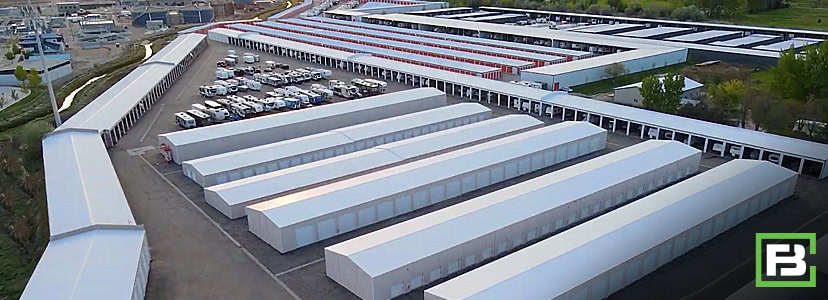
Choosing the right site sets the foundation for a successful boat and RV storage project, but executing it requires experience in layout, engineering, and steel construction.
There are many options when it comes to building boat and RV storage.
At Forge Building Company, we help developers evaluate land, design efficient site layouts, and deliver steel storage buildings built for longevity, security, and performance.
Thinking about developing or expanding a boat and RV storage facility?
Let’s discuss how choosing the right site and developing the right layout can position your project for long-term success.
Contributing Editor: Layton Martin, Forge Building Company