Menu
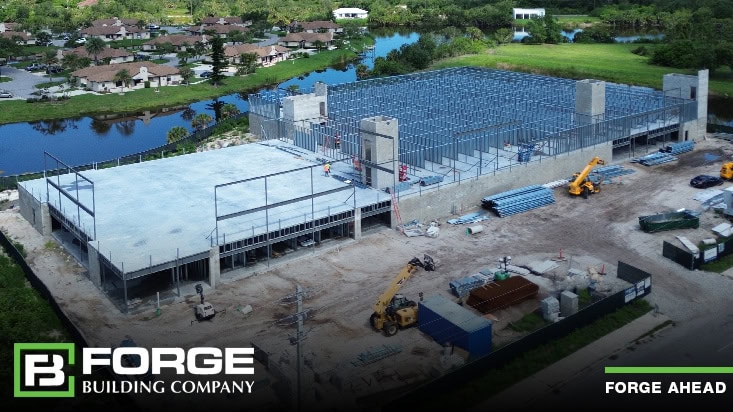
The self storage market in Florida continues to gain strong momentum heading into 2026—and for good reason. While the state still faces rising insurance costs and weather-related challenges, sustained population growth, business expansion, and consumer demand continue to fuel long-term opportunity. As financing conditions begin to ease and construction costs show greater stability compared to recent years, developers are once again finding room to move forward strategically. For well-planned projects, Florida remains one of the most attractive markets in the country for new self storage development.
Florida still, however, presents a unique set of challenges for self storage development, but with the right partner, those challenges become opportunities. At Forge Building Company, we’ve spent years helping owners and developers turn complex sites into efficient, high-performing storage facilities. From environmental constraints to zoning requirements, our team approaches every Florida project with flexibility, experience, and a problem-solving mindset.
Below are common site challenges we encounter in Florida and how smart layouts and steel building solutions help overcome them.
Florida doesn’t politely suggest how you should build… it demands it.
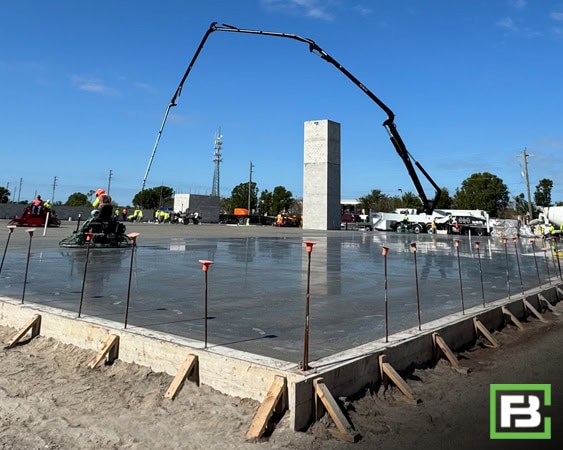
Between hurricane exposure categories, internal pressure coefficients, and aggressive uplift forces, wind load design here isn’t a box to check — it’s the entire game. And in self storage and PEMB construction, the structural system you choose determines whether you’re engineering for performance… or engineering around limitations.
At Forge, our post-and-purlin system is designed specifically to work with Florida wind rather than fight it.
How we overcome wind load challenges:
Where this matters most:
Self storage, RV/boat storage, flex industrial, and large opening buildings across Florida wind zones.
Instead of compensating with heavier bar joists, added steel, or last-minute redesigns, we start with a structural approach that was meant for high-wind regions from day one.
The result?
More predictable engineering timelines, fewer redesign cycles, and structures that perform the way they were originally intended — even after the building department starts asking the fun questions.
We don’t just supply steel.
We help projects make it through Florida.
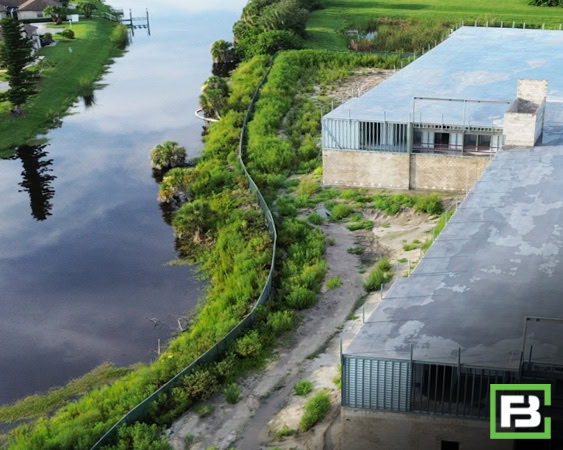 Steel doesn’t fail in Florida — foundations do… when the soil and structure aren’t designed together.
High water tables are common across the state, but they don’t automatically require piles, deep foundations, or overly conservative design.
At Forge, we go the extra mile early — carefully reviewing geotechnical and environmental reports so the foundation matches the actual structural behavior of our post-and-purlin system, not assumptions based on nearby projects.
Not all geotechnical reports are interpreted the same. Many buildings end up supported by foundations sized for loads they will never produce. We align the structure and the soils so you’re not paying for strength the building will never bear.
Our team evaluates:
This approach is rooted in experience. Forge founders Hayden and Hamish developed their practical understanding of structure-to-soil behavior early in their careers, working hands-on across the varied and demanding terrain of New Zealand — one of the most geotechnically diverse building environments in the world. That perspective still shapes how we evaluate sites today: design to the ground you actually have, not the one assumed on paper.
Even in high water table areas, a Forge-designed structure is engineered specifically to the ground beneath it. Just because the building next door drilled piles doesn’t mean yours should.
Sometimes the biggest savings come from uncovering scope that never needed to exist.
Strength built in early.
Urban and infill sites often come with limited space, irregular boundaries, and strict access requirements. In Florida’s fastest-growing markets, this challenge is becoming the norm rather than the exception.
As population density increases, developable land — especially in high-demand corridors — continues to tighten. Land costs now make up a significant portion of total project investment, which means success isn’t just about constructing a building… it’s about making the site perform financially.
Every square foot must contribute to revenue.
In these situations, Forge designs:
Our team works closely with owners, engineers, and municipalities to design layouts that don’t just fit the site — they work the site — balancing density, usability, and long-term operational efficiency so the project can maximize NOI rather than sacrifice it to site limitations.
Strength built in early.
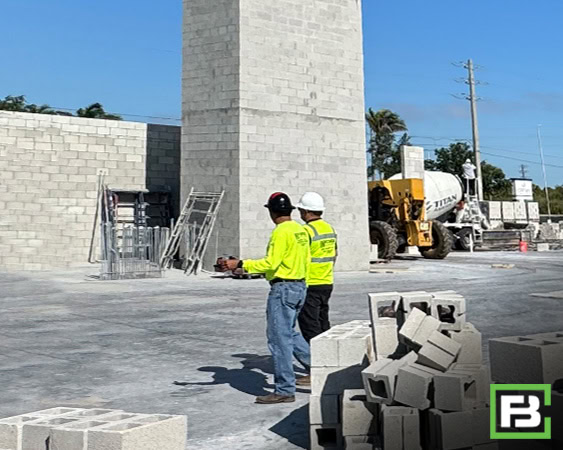 On coastal projects, the biggest risk usually isn’t construction… it’s misreading the jurisdiction.
Every municipality interprets zoning, permitting, elevations, aesthetics, and even tax treatment differently. Two similar sites can produce completely different approval paths — and that’s where projects quietly lose time and money.
Forge has worked across the continental U.S. and in Hawaii — environments where coastal regulation is not flexible, and expectations are high. Those ordinances aren’t meant to complicate your project; they exist to protect long-term property value and community standards. The challenge is knowing how to design within them instead of redesigning around them later.
That’s where our approach changes the outcome.
Our in-house engineers and designers add another layer of value, acting as proactive problem solvers — finding creative ways to satisfy ordinances while protecting rentable area, efficiency, and project intent. Because on coastal developments, success isn’t just getting approved…it’s getting approved without redesign.
Strength built in early.
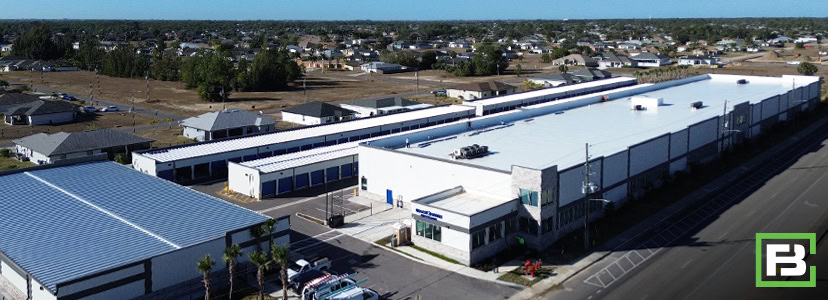
Every Florida site tells a different story. Whether it’s groundwater conditions, space limitations, or regulatory requirements, success starts with a builder who understands how to adapt.
At Forge Building Company, we don’t believe in one-size-fits-all solutions. We believe in smart layouts, proven steel systems, and collaboration that turns site challenges into long-term value.
Connect with the steel building experts at Forge to see how our experience can help bring your site and vision to reality!
Contributing Editor: Danielle O'Hara Murphy, Forge Building Company