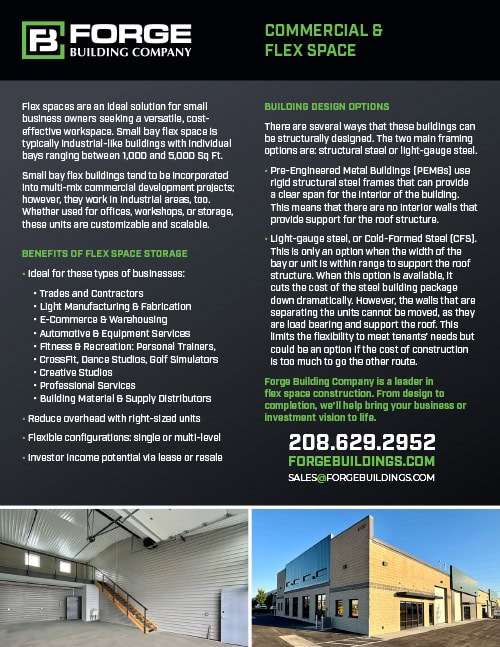
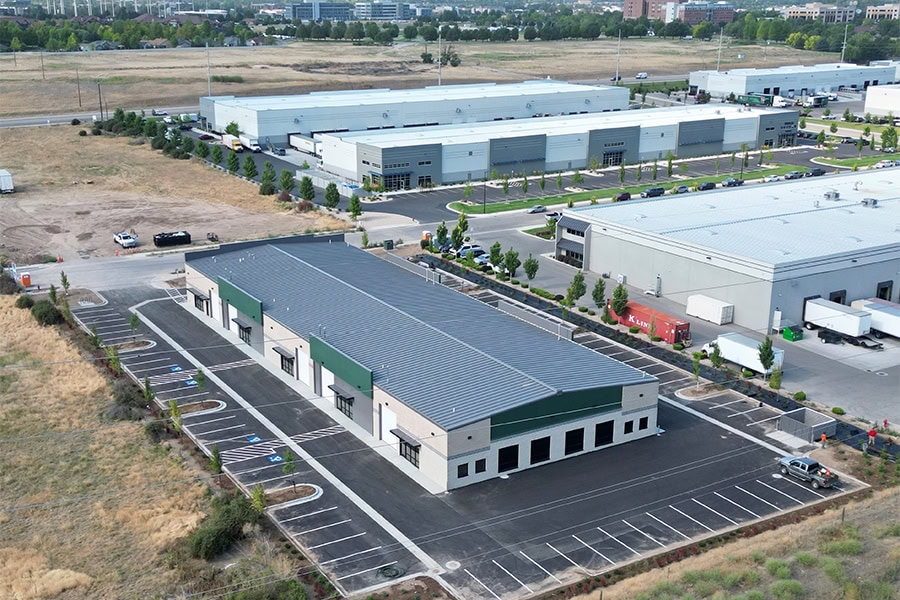
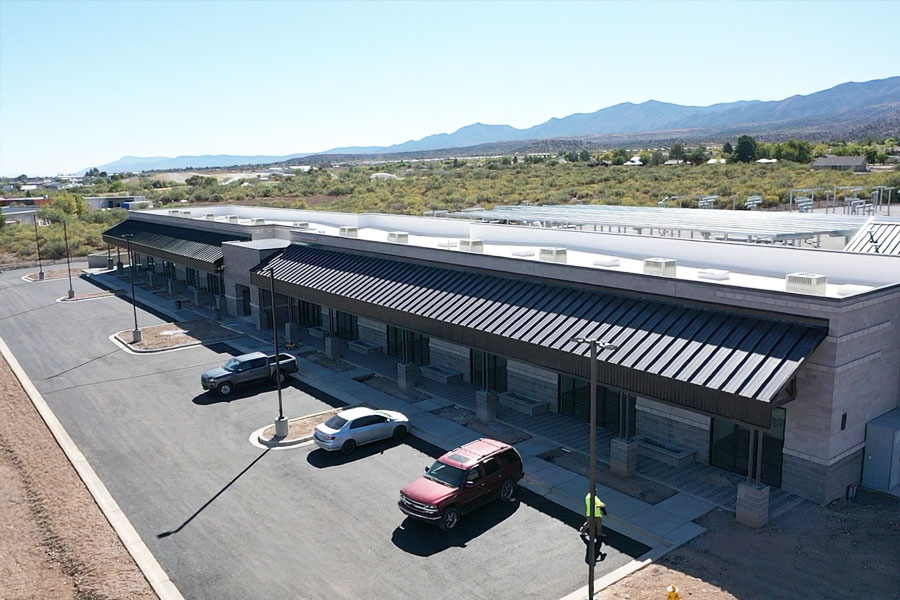
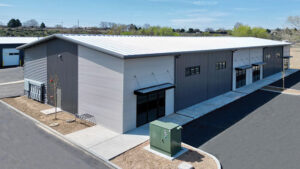
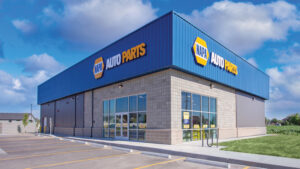
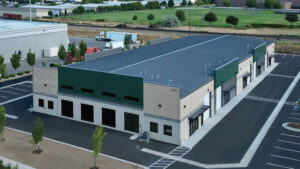
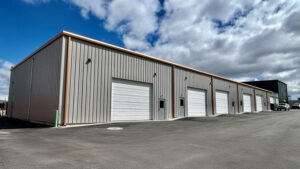
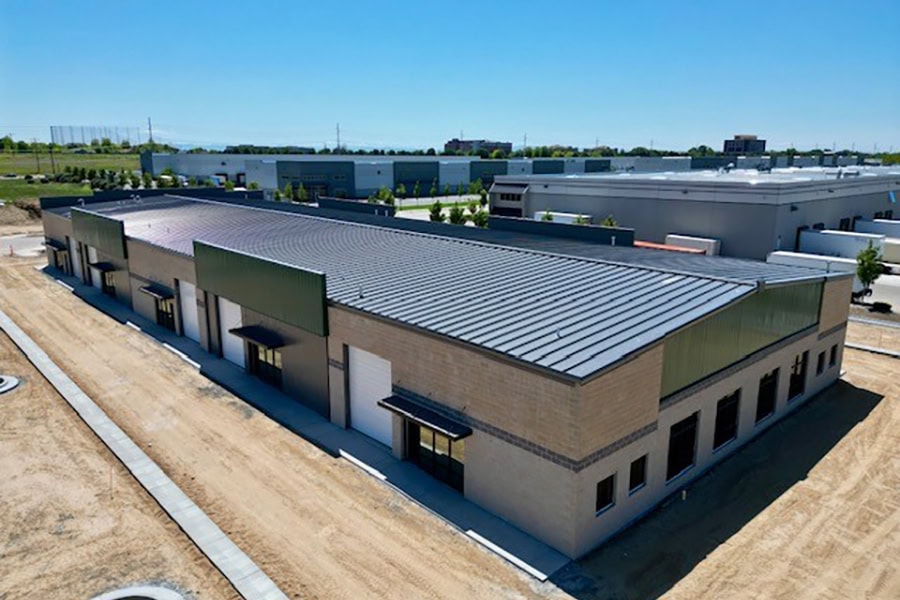
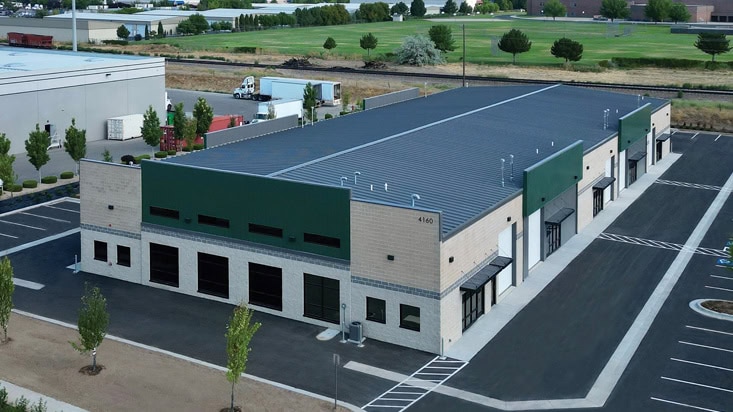
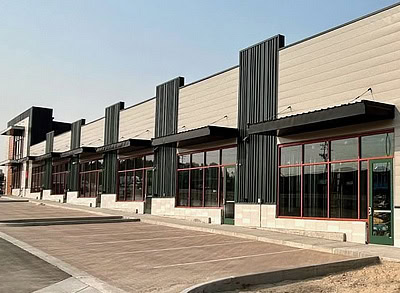
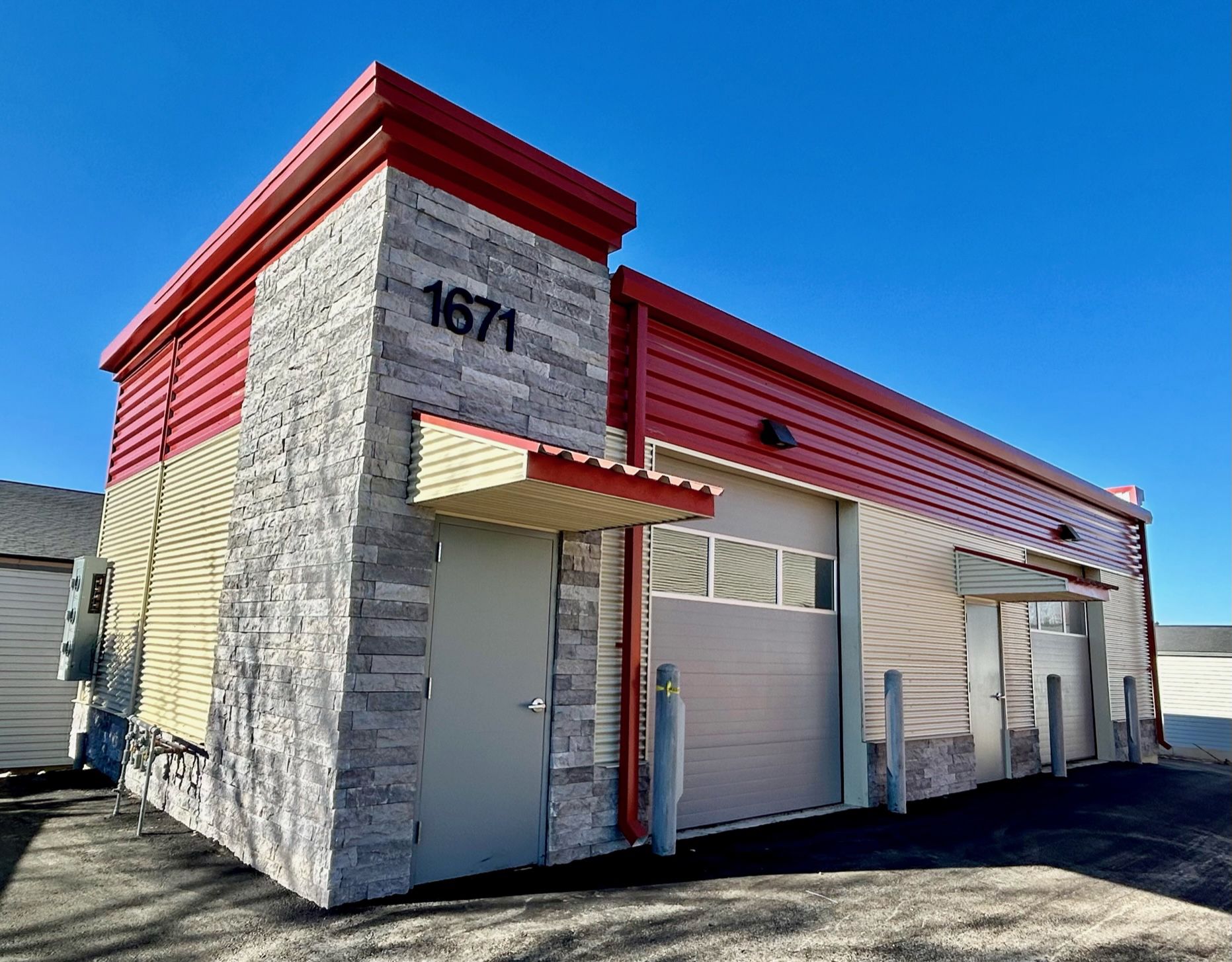
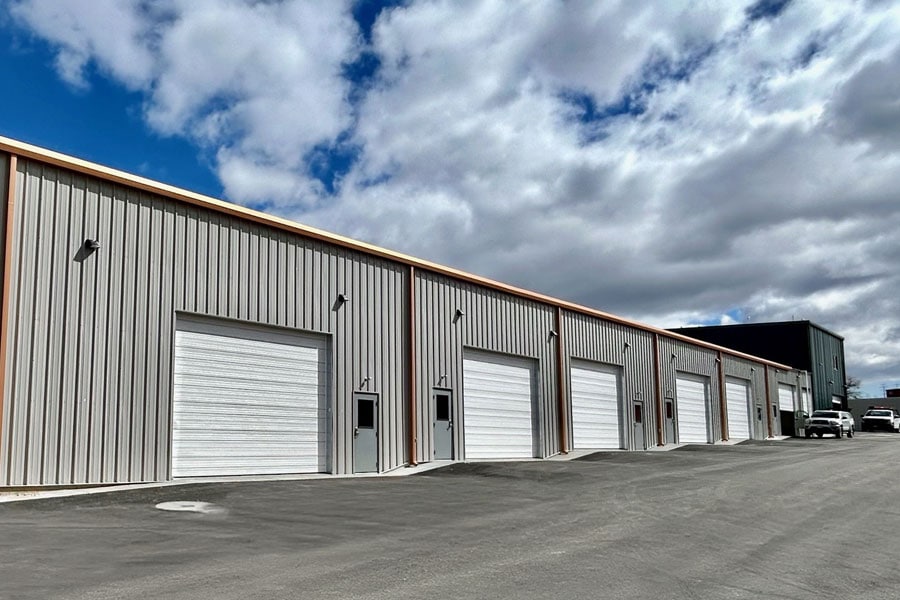
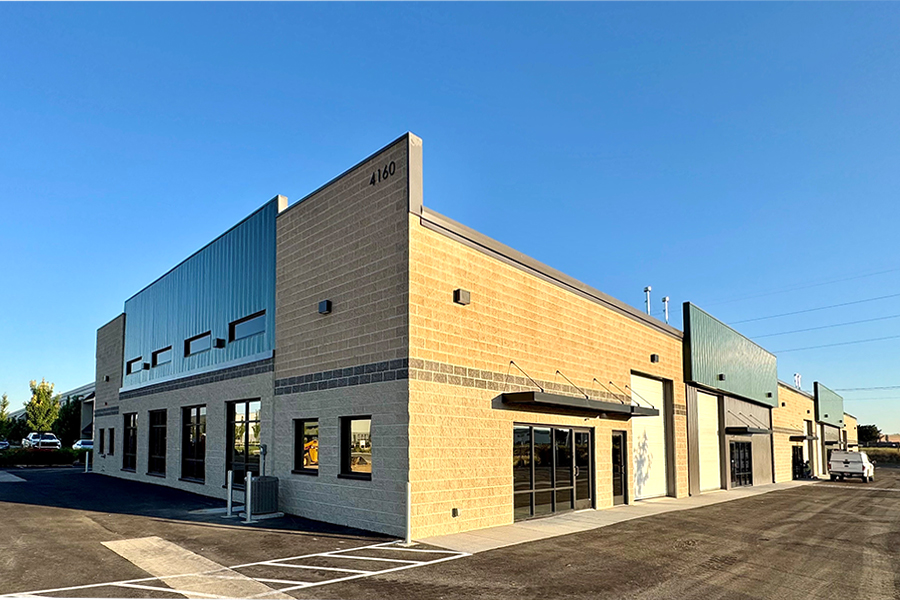
Flex spaces are an ideal solution for small business owners seeking a versatile, cost-effective workspace. Small bay flex space is typically industrial-like buildings with individual bays ranging between 1,000 and 5,000 square feet.
Small bay flex buildings tend to be incorporated into multi-mix commercial development projects; however, they work in industrial areas, too. Whether used for offices, workshops, or storage, these units are customizable and scalable.
Benefits of Flex Space Storage
Ideal for these types of businesses:
Trades and Contractors
Light Manufacturing & Fabrication
E-Commerce & Warehousing
Automotive & Equipment Services
Fitness & Recreation: Personal Trainers, CrossFit, Dance Studios,
Golf Simulators
Creative Studios
Professional Services
Building Material & Supply Distributors
Reduce overhead with right-sized units
Flexible configurations: single or multi-level
Income potential for investors via lease or resale
There are several ways that these buildings can be structurally designed. The two main framing options are: structural steel or light-gauge steel.
Pre-Engineered Metal Buildings (PEMBs) use rigid structural steel frames that can provide a clear span for the interior of the building. This means that there are no interior walls that provide support for the roof structure.
Light-gauge steel, or Cold-Formed Steel (CFS). This is only an option when the width of the bay or unit is within range to support the roof structure. When this option is available, it cuts the cost of the steel building package down dramatically. However, the walls that are separating the units cannot be moved, as they are load bearing and support the roof. This limits the flexibility to meet tenants’ needs but could be an option if the cost of construction is too much to go the other route.
Forge Building Company is a leader in flex space construction. From design to completion, we’ll help bring your business or investment vision to life.
TOP 15 Flex Space Frequently Asked Questions (FAQ)
Traditional self storage is designed primarily for passive storage. Flex space supports daily occupancy, business operations, utilities, and customer interaction. Forge often sees developers integrate flex space alongside traditional storage to serve multiple tenant types within one facility.
Flex space is commonly leased by small business owners, contractors, and entrepreneurs. Many Forge projects attract tenants who have outgrown garages or residential spaces, but don’t need full-scale industrial buildings.
Contractors, tradespeople, e-commerce operators, and light assembly users frequently occupy flex space. Forge designs units with layouts that support tools, vehicles, inventory, and workspace under one roof.
Most flex space units range from approximately 1,000 to 3,000 square feet. Forge regularly designs projects with a mix of unit sizes to align with local demand and maximize lease-up potential.
Climate control depends on market needs and intended use. Some Forge flex space projects include full climate control, while others use insulated steel systems and ventilation tailored for light industrial applications.
Flex space may include private restrooms, shared facilities, or plumbing rough-ins. Forge works with developers early in the design phase to determine whether plumbing adds long-term value based on tenant demand and zoning.
This depends on whether the unit is climate controlled. If so, it is best practice to have an insulated section door. If the space is not climate controlled, then a roll-up door is commonly used.
Flex space is designed to support both functions simultaneously. Forge layouts prioritize clear spans, ceiling height, and circulation to allow tenants to work efficiently while securely storing equipment or inventory. This may be a separate office area or utilizing a mezzanine.
Zoning determines allowable uses, parking requirements, and tenant activity. Forge evaluates zoning early in the planning process to ensure flex space layouts align with local regulations and long-term operational goals.
Flex space typically falls between commercial and light industrial classifications. Forge works with several reputable architects who provide guidance as to how flex space will be classified and permitted for each project.
This depends on the level of flexibility that is desired for the building. A pre-engineered metal building (PEMB) is best option if full flexibility the target where walls can be added and removed to meet the tenants’ needs. However, Forge has designed several flex space buildings using cold-formed steel (CFS) while still providing a tenant to lease adjoining units. Forge’s experience with flex space provides the most cost-effective solutions in the market.
Most Forge flex space projects are single-story, providing direct access for vehicles and equipment. This approach also simplifies circulation, construction, and long-term maintenance. Forge has a unique mezzanine design that provides a second floor inside the flex space unit.
Flex space is trending to be a good investment for many CRE developers. With many of the self storage markets currently in an over-supply stage, self storage developers are looking to flex space as a way to diversify and continue to grow their portfolio. There is a high demand for flex space in many markets.
High-growth suburban markets with strong small-business activity often show the strongest demand. Forge frequently sees success in markets with limited light industrial inventory and growing populations.
Flex Space - Featured Projects
Franklin Storage Flex Space
Location: Idaho Square Feet: 20,090 Number of Units: 5 (4,018 Sq Ft each) Project Completed: 2025
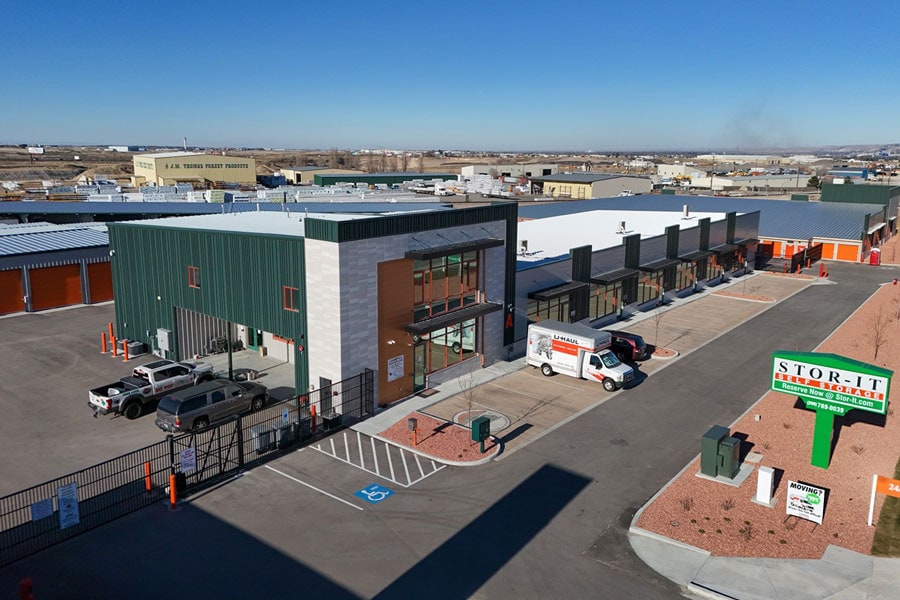
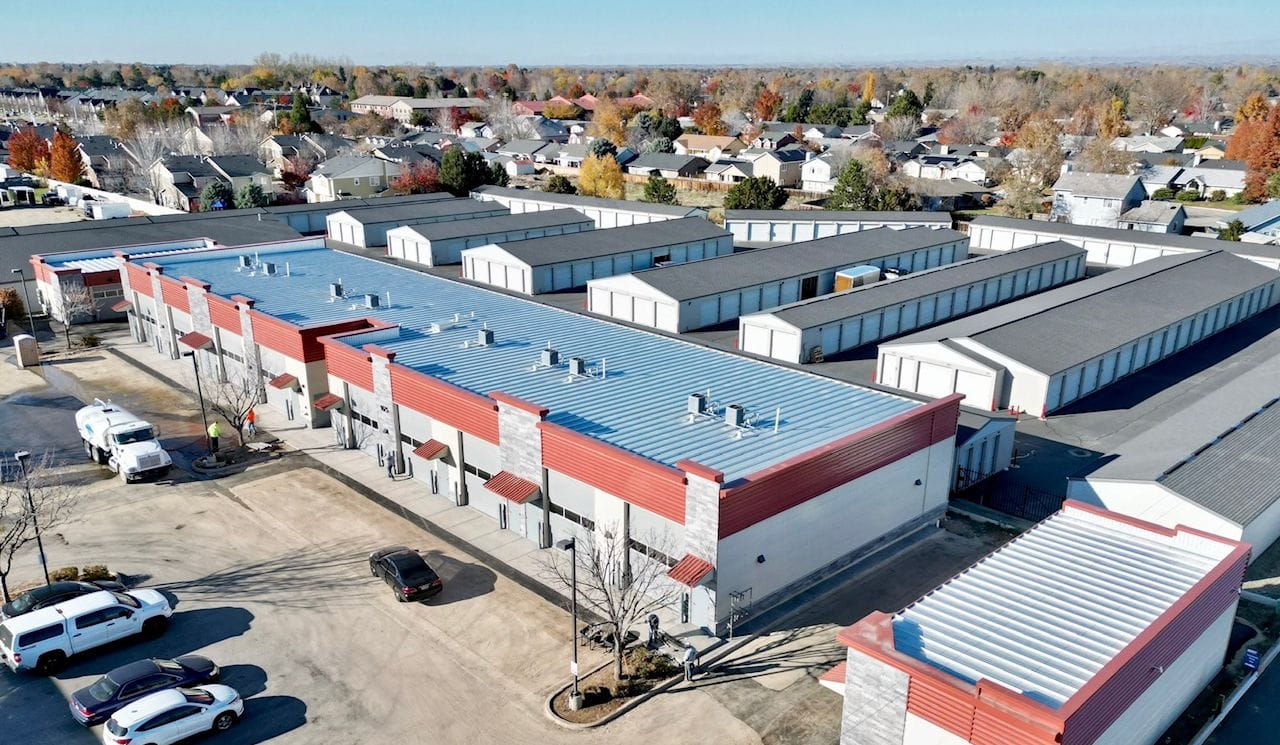
Stor-It Self Storage & Small Bay Flex Space
Location: Idaho Square Feet: 240,000 Number of Units: 671 Project Completed: 2025
Click to View Project
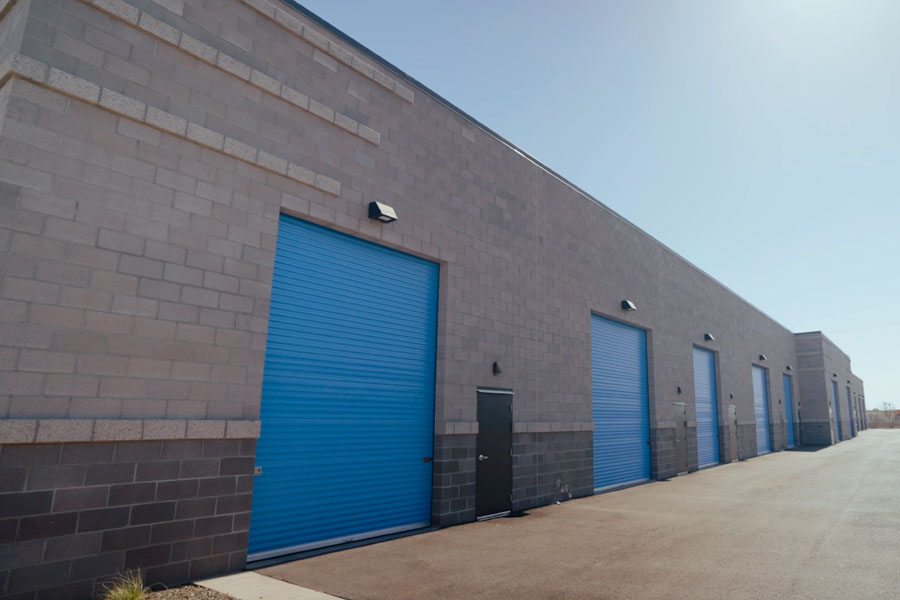
Columbia Self Storage & Flex Space
Location: Arizona Square Feet: 68,800 Number of Units: 409 Project Completed: 2025